Korean Bibimbap
Highlighted under: Fusion Collection
Korean Bibimbap is a vibrant and flavorful dish that brings together a variety of ingredients in a beautiful bowl. It's a perfect balance of textures and tastes, making it a favorite among many.
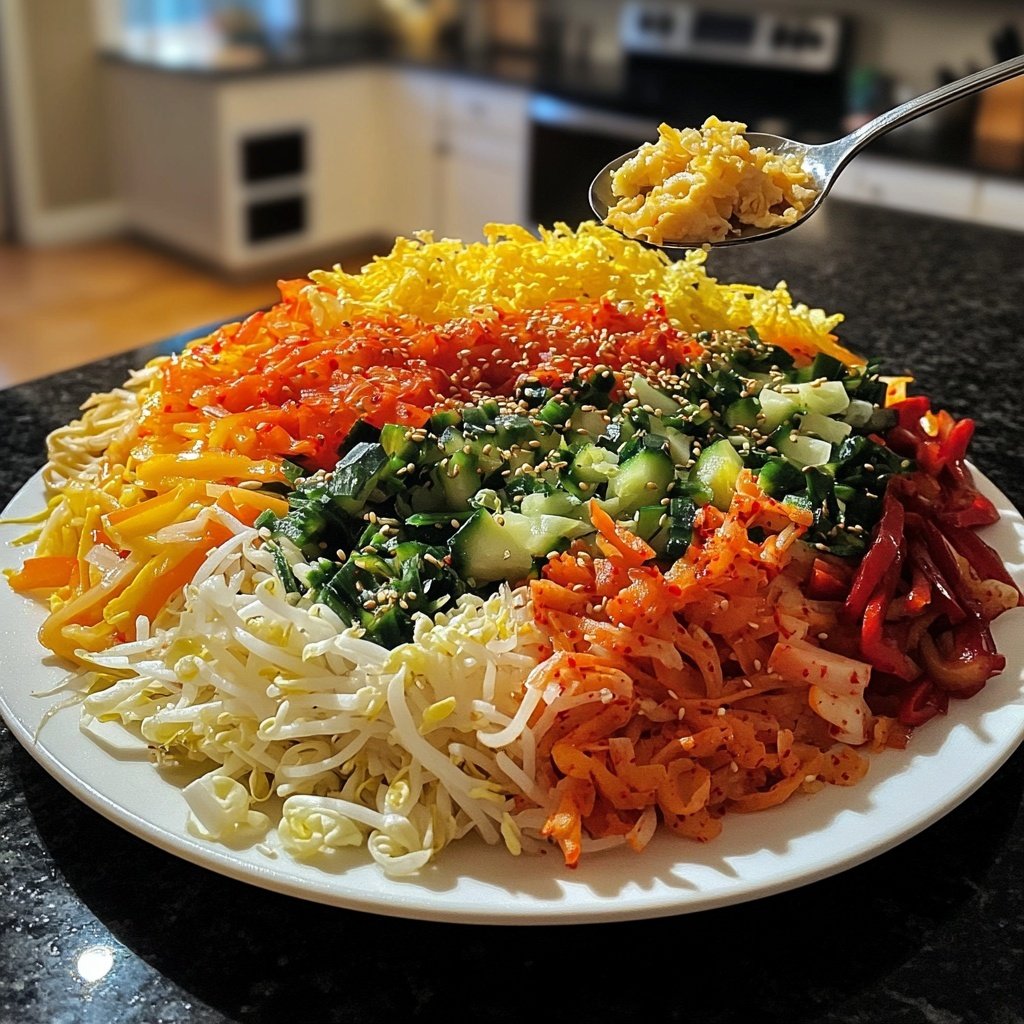
Korean Bibimbap is not just a meal; it's an experience. Originating from Korea, this dish is traditionally served in a hot stone bowl, allowing the rice to crisp up at the bottom while the vibrant vegetables and proteins are beautifully arranged on top.
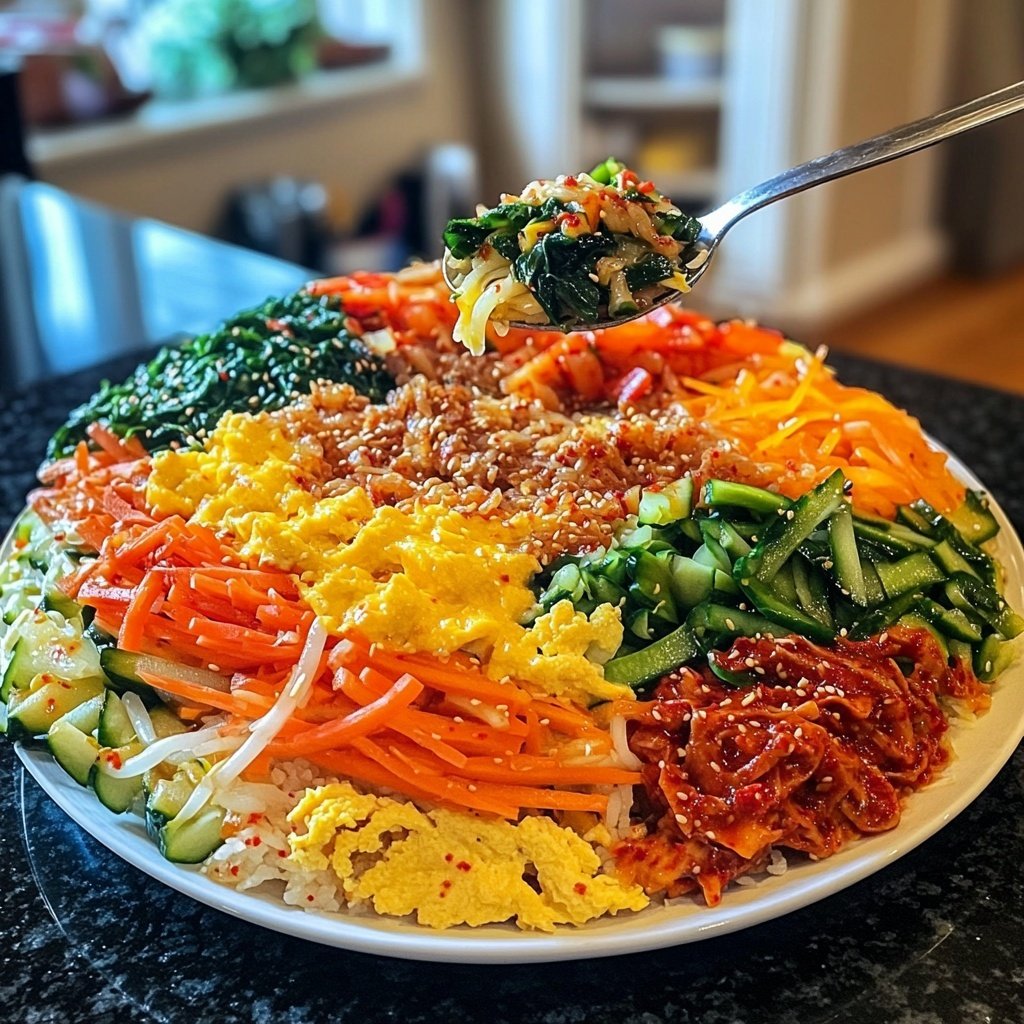
Why You Will Love This Recipe
- Colorful and nutritious ingredients make every bite exciting.
- Versatile dish that can be customized to your taste.
- Perfect for a quick weeknight dinner or a special occasion.
The Essence of Bibimbap
Bibimbap, which translates to 'mixed rice,' is a quintessential Korean dish that showcases the country's culinary philosophy of balance and harmony. Each ingredient in bibimbap contributes not only to the flavor but also to the visual appeal of the dish. With its array of colors and textures, bibimbap is a feast for both the eyes and the palate. The careful arrangement of vegetables and toppings reflects the attention to detail that is a hallmark of Korean cuisine.
The base of bibimbap is usually a bed of warm, fluffy rice, which serves as the perfect canvas for the vibrant toppings. The dish is typically topped with sautéed vegetables, making it a healthful option packed with essential nutrients. From the earthy flavor of mushrooms to the crispness of julienned carrots and zucchini, each bite offers a delightful mix of tastes and textures that will leave you craving more.
Customizing Your Bibimbap
One of the greatest joys of bibimbap is its versatility. You can easily customize this dish to suit your tastes or dietary preferences. Whether you prefer a vegetarian version or want to add some protein, bibimbap can accommodate your needs. For a meatier dish, consider adding bulgogi (marinated beef) or grilled chicken. If you're looking for plant-based options, tofu or tempeh are excellent choices that will absorb the flavors of the dish beautifully.
The toppings and condiments are equally adaptable. Feel free to experiment with different vegetables, such as bell peppers, radishes, or even pickled items for an extra zing. The gochujang can also be adjusted based on your heat tolerance—add more for a spicy kick or less for a milder flavor. This customization means that no two bowls of bibimbap need to be the same, allowing for endless possibilities!
Serving and Enjoying Bibimbap
When it comes to serving bibimbap, presentation is key. Arrange the ingredients in an aesthetically pleasing manner in your bowl, with each component distinct yet inviting. The vibrant colors create a beautiful contrast that is sure to impress your family and friends. For an authentic experience, serve bibimbap with a side of kimchi or pickled vegetables, which add a tangy crunch to the meal.
To enjoy bibimbap fully, mix all the ingredients together just before eating. This not only combines the flavors but also creates a delightful textural experience. The warmth of the rice and the fried egg brings everything together, making each bite a delicious medley. Whether it's a casual weeknight dinner or a special gathering, bibimbap is sure to be a hit!
Ingredients
For the Bibimbap
- 2 cups cooked rice
- 1 cup spinach, blanched
- 1 cup bean sprouts, blanched
- 1 cup carrots, julienned and sautéed
- 1 cup zucchini, julienned and sautéed
- 1 cup shiitake mushrooms, sautéed
- 4 fried eggs
- 1 tablespoon sesame oil
- Gochujang (Korean chili paste) to taste
- Sesame seeds for garnish
Mix all the ingredients together before serving.
Instructions
Prepare the Rice
Cook the rice according to package instructions. Set aside.
Sauté the Vegetables
In a pan, sauté the carrots, zucchini, and mushrooms until tender. Season with salt and pepper.
Blanch the Spinach and Bean Sprouts
Blanch the spinach and bean sprouts in boiling water for 1-2 minutes, then drain and set aside.
Assemble the Bibimbap
In a large bowl, place a serving of rice at the bottom. Arrange the sautéed vegetables, spinach, and bean sprouts on top. Add a fried egg in the center.
Add the Finishing Touches
Drizzle sesame oil over the top and add gochujang to taste. Sprinkle with sesame seeds.
Enjoy your delicious homemade Korean Bibimbap!
Pro Tips
- Feel free to customize your bibimbap with your choice of protein, such as chicken, beef, or tofu.
Storage Tips for Leftovers
If you happen to have leftover bibimbap ingredients, storing them properly can help you enjoy this dish later. Keep the rice and vegetables in separate airtight containers in the refrigerator. This will prevent the rice from becoming soggy and allow for better texture when reheating. The cooked vegetables can last up to three days, while the rice can typically be refrigerated for about a week.
When you're ready to enjoy your leftovers, simply reheat the rice in the microwave and sauté the vegetables briefly in a pan to bring back their freshness. You can easily fry a new egg to top your bibimbap for a quick and satisfying meal. Adding a little extra gochujang or sesame oil can revive the flavors beautifully.
Nutritional Benefits of Bibimbap
Bibimbap is not only delicious but also incredibly nutritious. The variety of vegetables included in the dish provides a wealth of vitamins and minerals essential for overall health. Spinach, for example, is rich in iron and antioxidants, while carrots offer a good dose of beta-carotene, promoting healthy skin and vision. This makes bibimbap an excellent choice for those looking to incorporate more vegetables into their diet.
Moreover, the combination of rice and vegetables provides a balanced meal that can keep you full and satisfied. The healthy fats from sesame oil and the protein from the egg or any added meat contribute to a well-rounded dish that supports energy levels throughout the day. With its healthful ingredients and vibrant flavors, bibimbap can be a staple in any nutritious eating plan.
Questions About Recipes
→ Can I make bibimbap vegetarian?
Absolutely! Just skip the egg or use a plant-based alternative.
→ What can I substitute for gochujang?
You can use sriracha or a mix of chili powder and miso paste for a similar flavor.
→ How can I store leftovers?
Store leftover bibimbap in an airtight container in the fridge for up to 3 days.
→ Can I use brown rice instead?
Yes, brown rice can be used for a healthier option, but cooking times may vary.
Korean Bibimbap
Created by: Zinnia Fairweather
Recipe Type: Fusion Collection
Skill Level: Intermediate
Final Quantity: 4 servings
What You'll Need
For the Bibimbap
- 2 cups cooked rice
- 1 cup spinach, blanched
- 1 cup bean sprouts, blanched
- 1 cup carrots, julienned and sautéed
- 1 cup zucchini, julienned and sautéed
- 1 cup shiitake mushrooms, sautéed
- 4 fried eggs
- 1 tablespoon sesame oil
- Gochujang (Korean chili paste) to taste
- Sesame seeds for garnish
How-To Steps
Cook the rice according to package instructions. Set aside.
In a pan, sauté the carrots, zucchini, and mushrooms until tender. Season with salt and pepper.
Blanch the spinach and bean sprouts in boiling water for 1-2 minutes, then drain and set aside.
In a large bowl, place a serving of rice at the bottom. Arrange the sautéed vegetables, spinach, and bean sprouts on top. Add a fried egg in the center.
Drizzle sesame oil over the top and add gochujang to taste. Sprinkle with sesame seeds.
Extra Tips
- Feel free to customize your bibimbap with your choice of protein, such as chicken, beef, or tofu.
Nutritional Breakdown (Per Serving)
- Calories: 550 kcal
- Total Fat: 22g
- Saturated Fat: 4g
- Cholesterol: 210mg
- Sodium: 600mg
- Total Carbohydrates: 76g
- Dietary Fiber: 5g
- Sugars: 4g
- Protein: 18g